YQSF 2026 Conference: Shaping the Future of Quantity Surveying
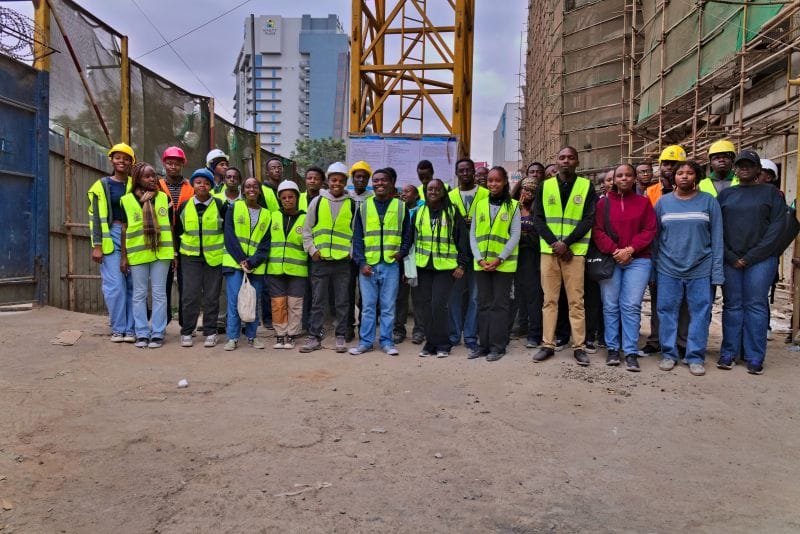
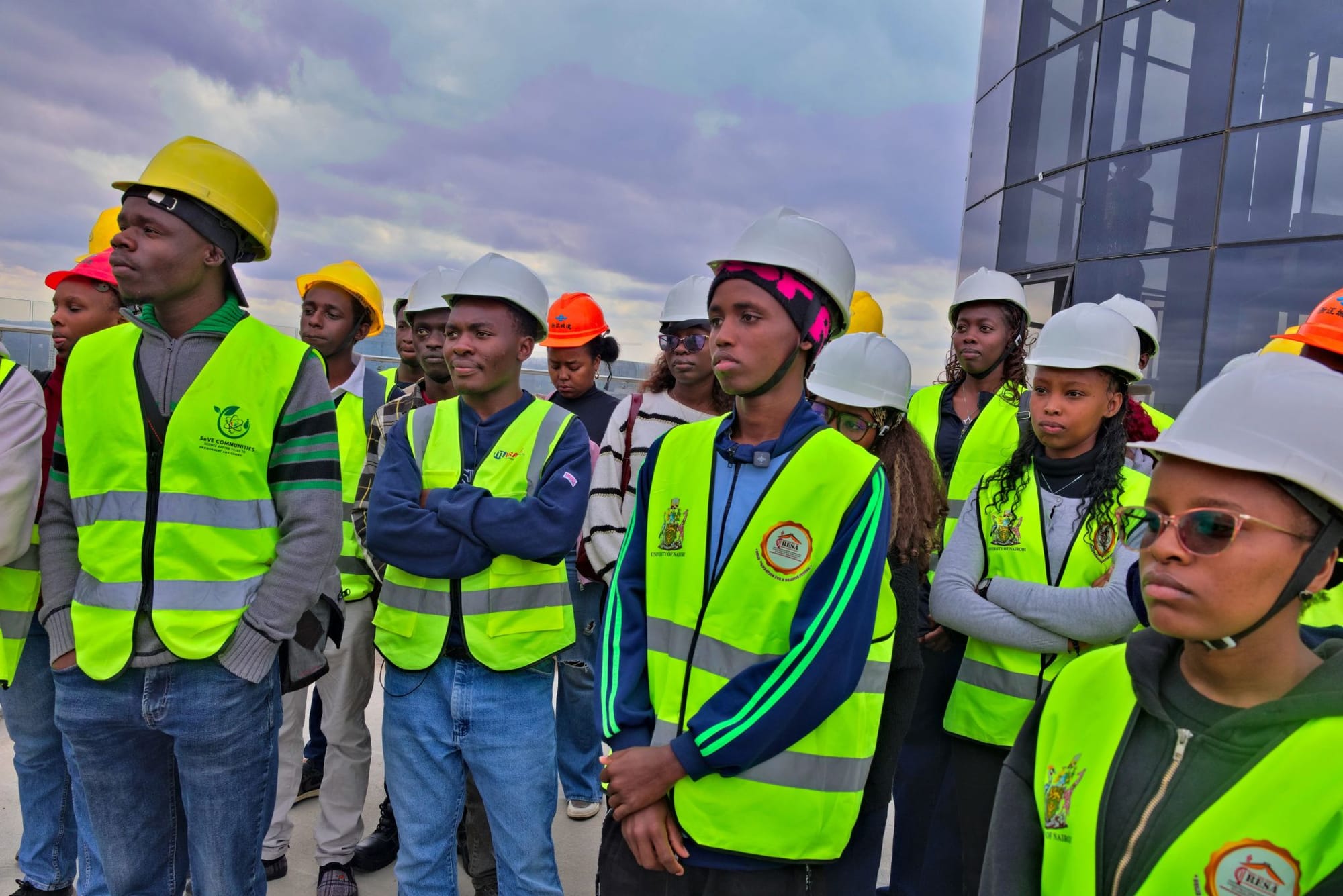
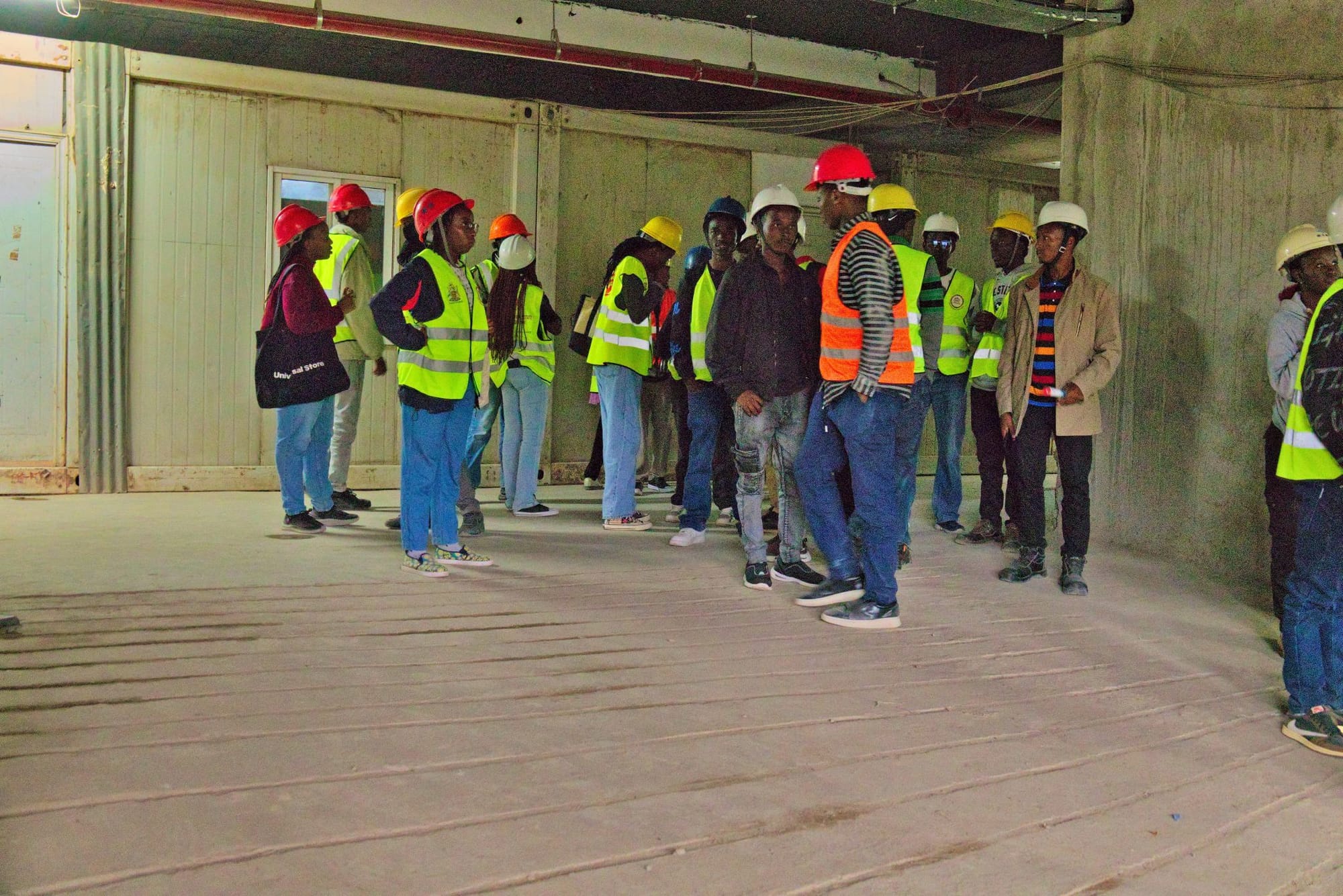
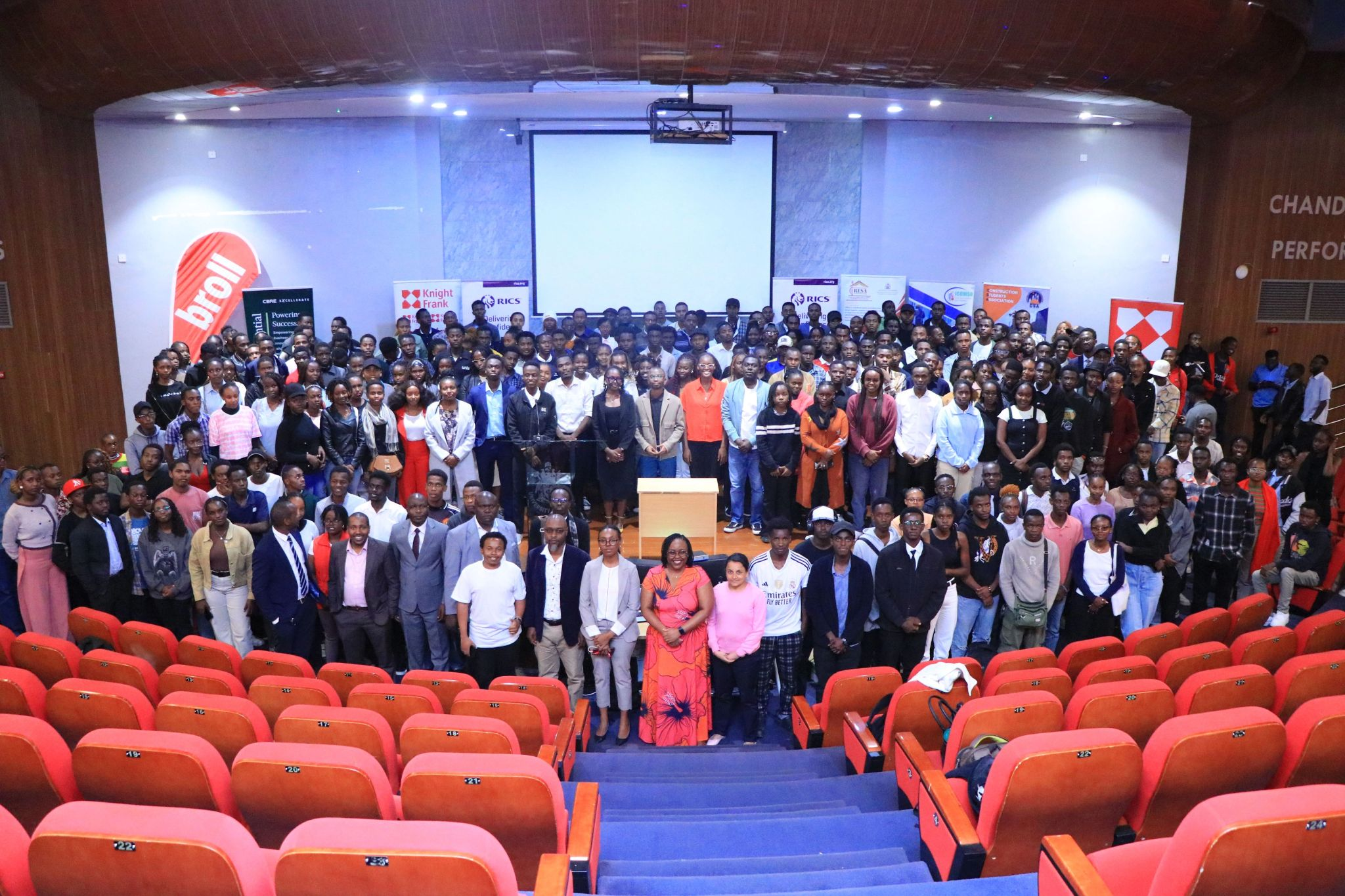
The first day of the 2026 Young Quantity Surveyors Forum (YQSF) Conference provided an inspiring opportunity for learning, professional engagement, networking and reflection on the future of Quantity Surveying.
Held under the theme “The Future of Quantity Surveying: What’s Next for the Profession?”, the conference brought together industry leaders, professionals and aspiring Quantity Surveyors to explore emerging trends, challenges and opportunities shaping the profession.
The discussions challenged participants to rethink traditional approaches to Quantity Surveying and consider how technology, sustainability, accountability and professional adaptability will influence the future of the built environment.
Official Opening
The conference was officially opened with welcome remarks from QS Janet Chirchir, President of the Institute of Quantity Surveyors of Kenya (IQSK).
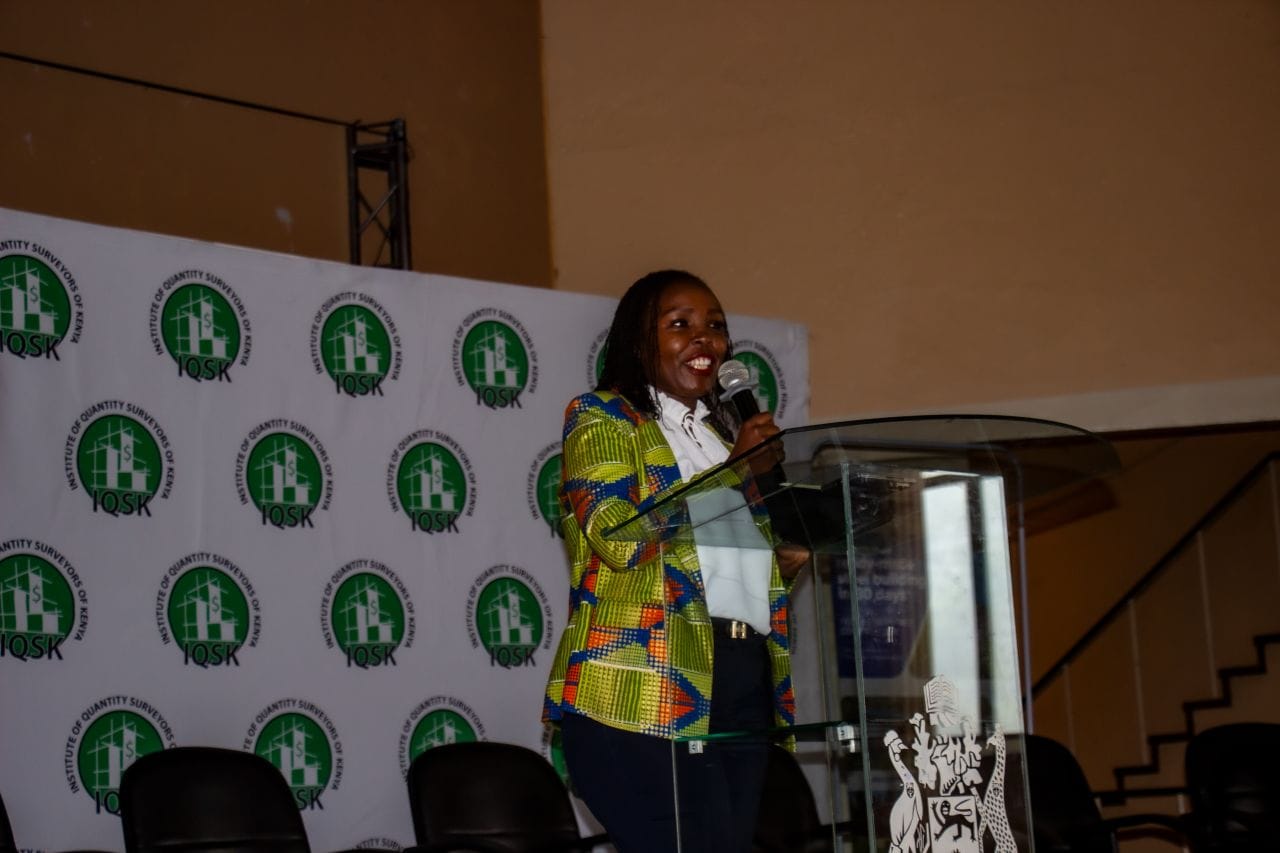
The opening session set the tone for meaningful discussions on the changing landscape of Quantity Surveying and the need for the profession to remain responsive to developments within the construction industry.
Participants also benefited from an insightful presentation from the Board of Registration of Architects and Quantity Surveyors (BORAQS), which provided an opportunity to reflect on professional practice and the regulatory environment within the built environment.
Session 1: Technology in the Construction Industry
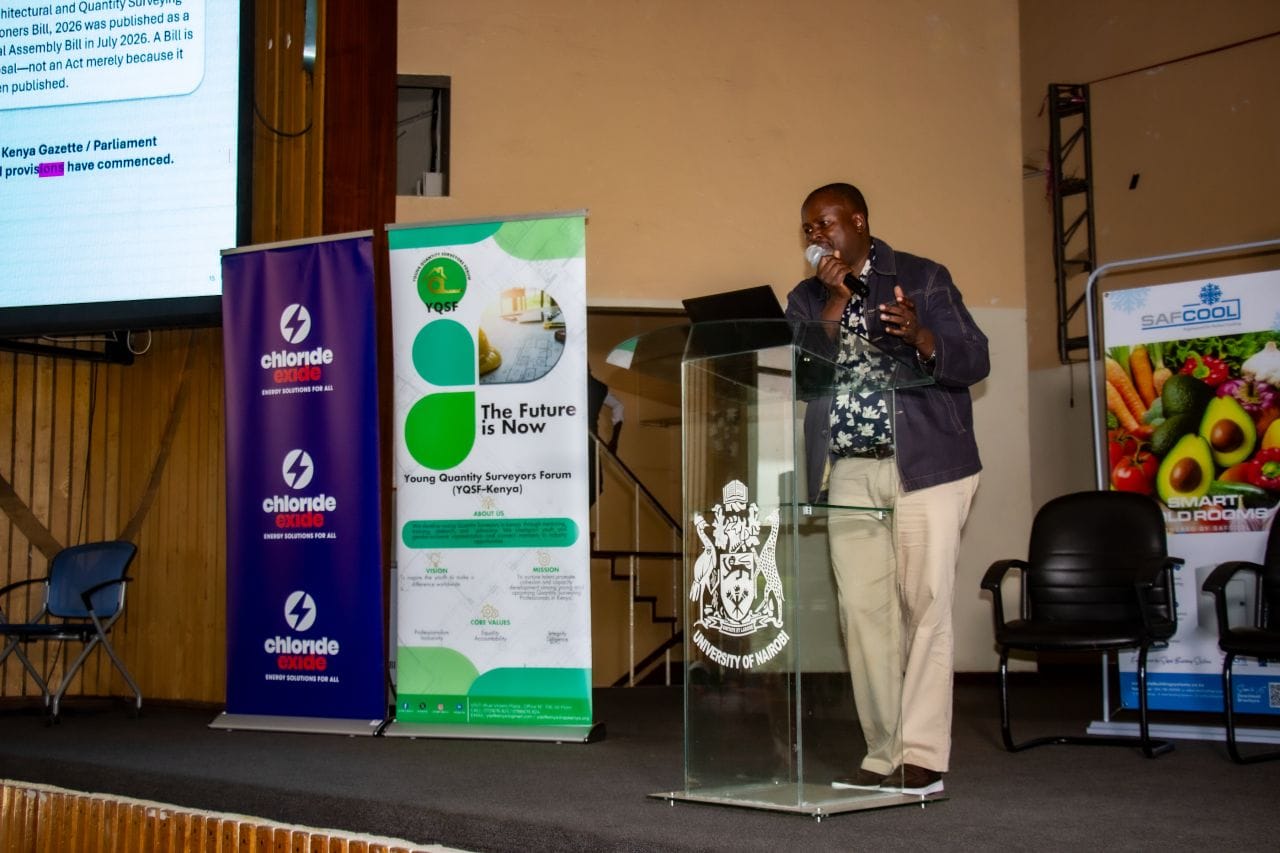
Speaker: QS Frank Webaale
The first technical session explored the role of technology in transforming the construction industry.
One of the key observations was that construction remains one of the oldest industries, yet its adoption of technology has not progressed as rapidly as that of many other sectors.
The session highlighted the need for construction professionals to embrace technological advancements and rethink traditional methods of working. For Quantity Surveyors, this means recognising the value of digital tools in improving efficiency, accuracy and the delivery of construction projects.
The message was clear: technology is changing the way the industry operates, and professionals must be willing to adapt.
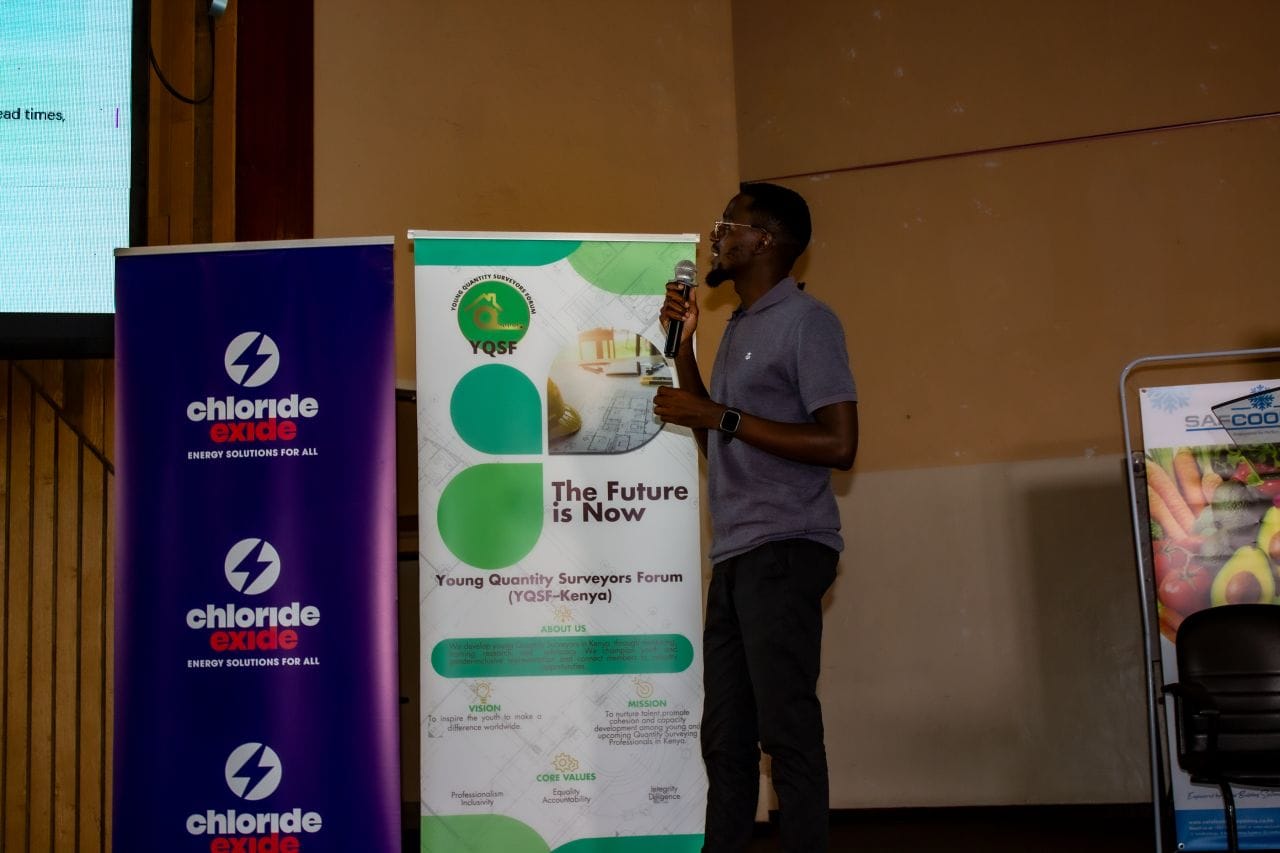
Session 2: Sustainability and Green Construction
Speaker: Mr. Paul Anyango
The second session focused on sustainability and the growing importance of environmentally responsible construction practices.
Sustainability was discussed as the ability to meet present needs without compromising the ability of future generations to meet their own.
The session emphasised the importance of considering the long-term environmental, social and economic implications of construction decisions. It also challenged built-environment professionals to look beyond immediate project outcomes and contribute to developments that support a more sustainable future.
For Quantity Surveyors, sustainability presents an opportunity to influence material selection, resource efficiency, cost planning and the overall value of construction projects.

Session 3: The Evolving Role of a Quantity Surveyor
Speaker: QS Immaculate Kaibere, MRICS
Traditionally, Quantity Surveyors have often been perceived as back-office professionals whose responsibilities primarily revolve around measurement, preparation of bills of quantities and cost management.
However, the profession is evolving.
This session explored the expanding role of Quantity Surveyors and the emerging opportunities available within the built environment. It highlighted the importance of professional versatility, strategic thinking and the ability to contribute to decision-making throughout the project lifecycle.
The discussion reinforced the need for Quantity Surveyors to position themselves as essential contributors to project planning, management, commercial strategy and the wider development process.
Session 4: Panel Discussion
Theme: Accountability in the Built Environment
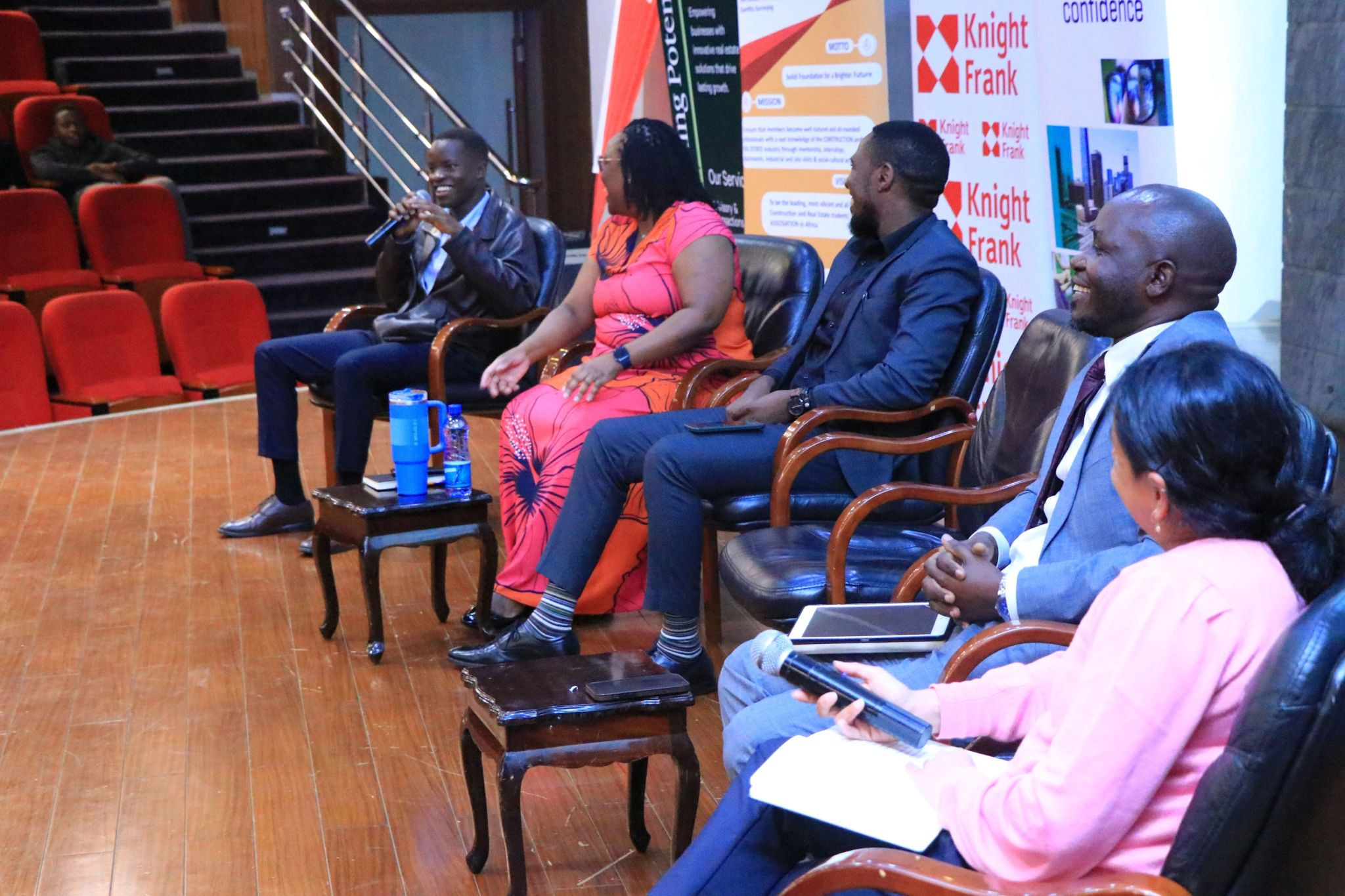
The panel discussion brought together Frank Webaale, Immaculate Kaibere, MRICS, Patrick Ndirangu and Edwin Michira, moderated by Rosemary Macharia and Carlpeters Opul.
The conversation explored the responsibility of built-environment professionals in shaping a more accountable, efficient and sustainable construction industry.
Some of the key insights from the discussion included:
- Adaptability is essential: Professionals must embrace technology and continuously develop their skills to remain relevant in a changing industry.
- Human judgement remains valuable: While artificial intelligence can support professional work, critical thinking, experience and sound judgement remain essential. Quantity Surveyors must also learn to communicate confidently and make their professional voices heard.
- Sustainability goes beyond financial considerations: Construction decisions should account for environmental and social impacts alongside economic outcomes.
- The industry must move beyond site-based approaches: Adopting more industry-driven processes can improve accuracy, save time and promote greater standardisation in construction.
The panel reminded participants that accountability requires professionals to take ownership of their decisions and recognise the broader impact of their work.

Our Sponsors and Partners
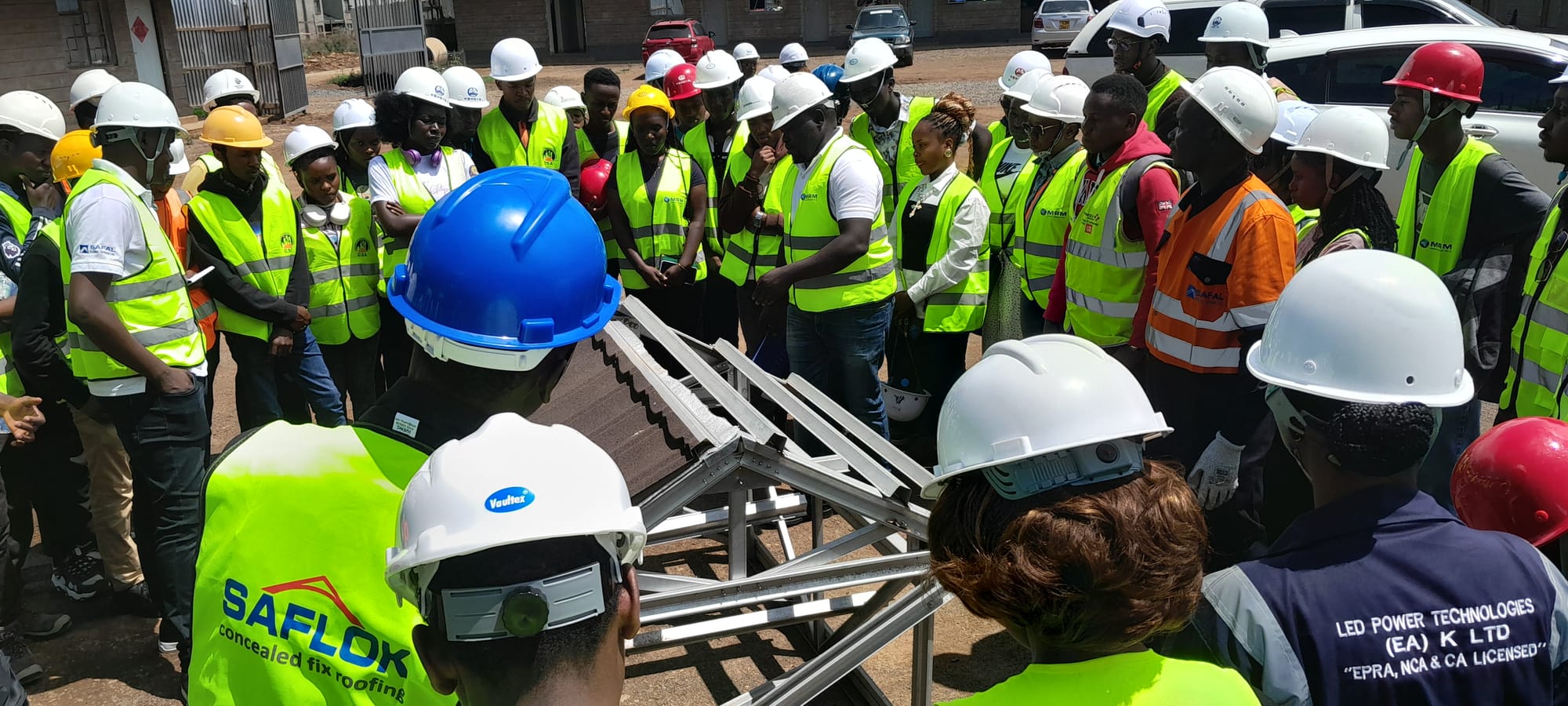
The conference also provided an opportunity to engage with sponsors and partners who shared insights into the solutions and services they offer to the construction industry.
We were privileged to hear from:
- Liaison Group Ltd
- The Safal Group
- Chloride Exide Limited
Their participation demonstrated the importance of collaboration between professional bodies, industry practitioners and corporate partners in advancing the construction sector.
Appreciation
CRESA extends its sincere appreciation to the Young Quantity Surveyors Forum Kenya (YQSF) team, the Institute of Quantity Surveyors of Kenya, JSC, and all sponsors and partners for their dedication and contribution towards making the first day of the conference a success.
We also thank the speakers, panelists, moderators, facilitators and fellow participants for making the discussions insightful, engaging and impactful.
The first day of the YQSF 2026 Conference offered valuable lessons on the importance of embracing technology, championing sustainability, strengthening accountability and redefining the role of the Quantity Surveyor.
As aspiring professionals, these conversations remind us that the future of our profession will depend on our willingness to learn, adapt and contribute meaningfully to the built environment.
The future of Quantity Surveying is not something we simply wait for. It is something we must actively build.