
Learning, leadership, industry and opportunity for built environment students.
Explore CRESAConstruction & Real Estate Students Association, University of Nairobi
Where the built environment meets possibility.
A student-led community for learning, professional growth, industry exposure and meaningful connections across the Construction and Real estate industry.
What's happening at CRESA
View all events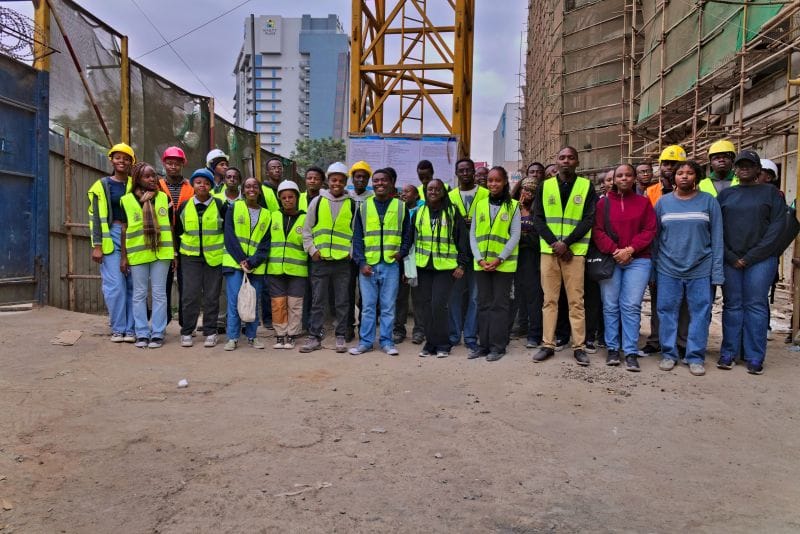
A student association with a professional outlook.
Discover CRESACRESA
We are a student-based association that brings together students from different levels of study from the Faculty of the Built Environment and Design in the department of Real Estate, Construction Management and Quantity Surveying at the University of Nairobi with a mission to develop and provide opportunities for professional and personal growth throughout ones' academic life.
- Mission
- To ensure that members become well nurtured and all-rounded professionals with a vast knowledge of the Construction and Real Estate Industry through mentorship, internships, attachments, industrial site visits and socio-cultural activities.
- Vision
- To become the most vibrant and all-inclusive Construction and Real Estate association in Africa.
- Motto
- Solid Foundation for a Brighter Future.
Explore our chapters
Discover your discipline, connect with your peers and learn where your course can take you.
All chaptersCRESA Journal
View all storiesYQSF 2026: Beyond the Classroom Through CSR and Practical Site Learning
YQSF 2026: Beyond the Classroom Through CSR and Practical Site Learning
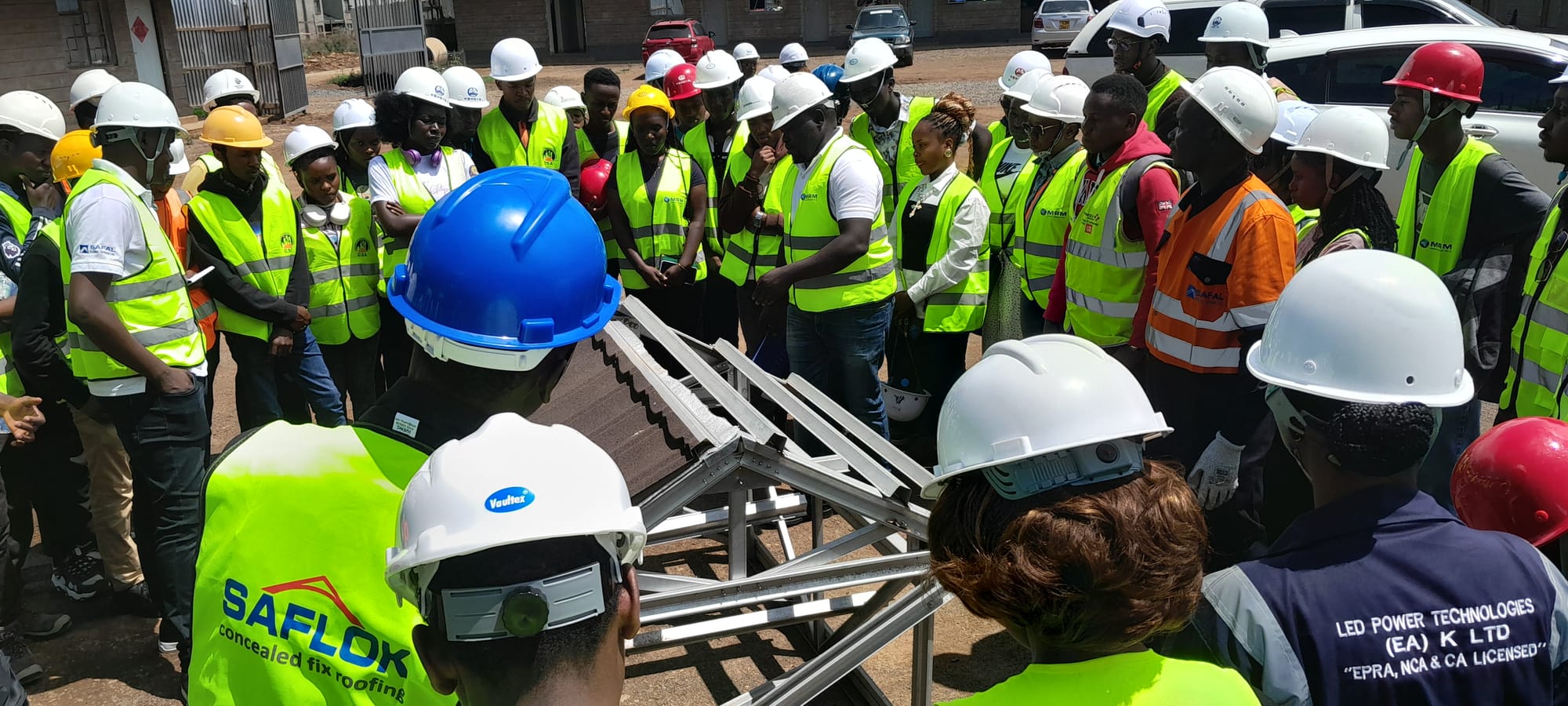
The second day of the 2026 Young Quantity Surveyors Forum (YQSF) Conference offered a different but equally enriching experience, bringing together professional development, practical learning and community engagement through a Corporate Social Responsibility (CSR) activity at Kahawa Barracks.
Moving beyond the conference discussions and technical presentations of Day 1, participants had an opportunity to engage with the built environment in a practical setting while appreciating the importance of giving back to the community.
Promoting Safety Through Practical Learning
The day's programme featured safety training designed to reinforce the importance of health and safety within construction and project environments.
For aspiring built-environment professionals, understanding construction site safety goes beyond academic knowledge. It involves appreciating the potential risks associated with construction activities, recognising the importance of preventive measures and understanding the shared responsibility of maintaining safe working environments.
The training provided participants with valuable exposure to safety considerations and reinforced the need to make occupational health and safety an integral part of construction planning, management and execution.
Learning Beyond the Classroom: Site Visit
An insightful site visit formed another key highlight of the day, allowing participants to gain firsthand exposure to construction site operations.
The experience provided an opportunity to connect theoretical concepts with practical site activities and appreciate the coordination, planning and professional responsibilities involved in delivering construction projects.
For Quantity Surveyors and other built-environment professionals, such exposure is particularly valuable in understanding the relationship between construction operations, project management, resource utilisation, safety and overall project delivery.
It also reinforced the importance of collaboration among the different professionals and stakeholders involved in the construction process.
The Importance of Corporate Social Responsibility
Beyond the technical learning, the CSR component served as a reminder that the built environment is ultimately about people and the communities within which developments exist.
As future professionals, students must recognise that their responsibilities extend beyond delivering buildings and managing construction costs. They also have a role to play in contributing positively to society through responsible professional practice, community engagement and initiatives that create meaningful social impact.
A Valuable Learning Experience
Day 2 of the YQSF 2026 Conference demonstrated the importance of combining professional development with practical exposure and social responsibility.
The experience provided participants with an opportunity to learn, engage and appreciate the broader responsibilities that come with working in the built environment.
CRESA appreciates the Young Quantity Surveyors Forum Kenya (YQSF), the Institute of Quantity Surveyors of Kenya (IQSK) and all the organisers and stakeholders involved in making the experience possible.
The day reinforced an important lesson: becoming a competent built-environment professional requires more than classroom knowledge. It requires practical experience, a commitment to safety and a willingness to make a positive difference in society.
Beyond buildings, we build communities. Beyond the classroom, we build professionals.
YQSF 2026 Conference: Shaping the Future of Quantity Surveying
The first day of the 2026 Young Quantity Surveyors Forum (YQSF) Conference provided an inspiring opportunity for learning, professional engagement, networking and reflection on the future of Quantity Surveying.
Held under the theme “The Future of Quantity Surveying: What’s Next for the Profession?”, the conference brought together industry leaders, professionals and aspiring Quantity Surveyors to explore emerging trends, challenges and opportunities shaping the profession.
The discussions challenged participants to rethink traditional approaches to Quantity Surveying and consider how technology, sustainability, accountability and professional adaptability will influence the future of the built environment.
Official Opening
The conference was officially opened with welcome remarks from QS Janet Chirchir, President of the Institute of Quantity Surveyors of Kenya (IQSK).

The opening session set the tone for meaningful discussions on the changing landscape of Quantity Surveying and the need for the profession to remain responsive to developments within the construction industry.
Participants also benefited from an insightful presentation from the Board of Registration of Architects and Quantity Surveyors (BORAQS), which provided an opportunity to reflect on professional practice and the regulatory environment within the built environment.
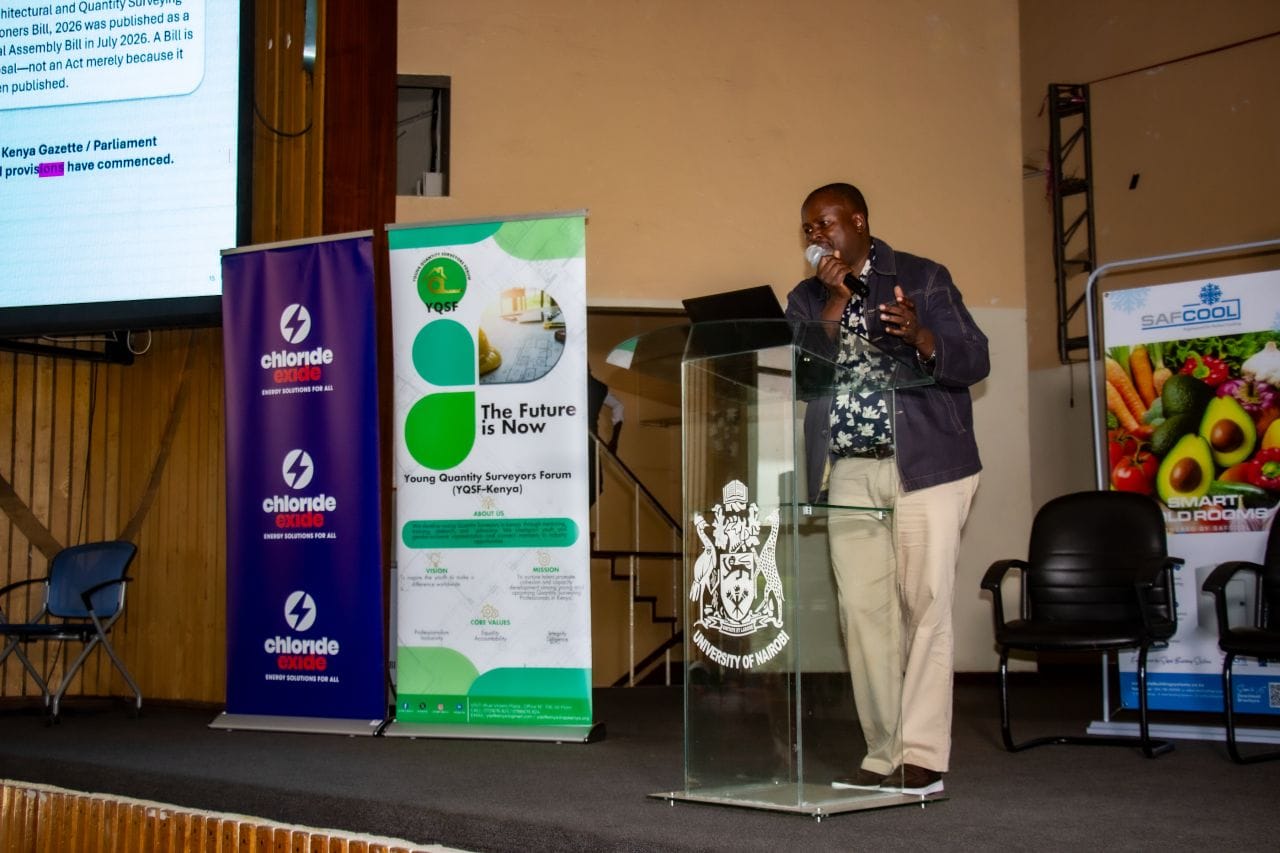
Session 1: Technology in the Construction Industry
Speaker: QS Frank Webaale
The first technical session explored the role of technology in transforming the construction industry.
One of the key observations was that construction remains one of the oldest industries, yet its adoption of technology has not progressed as rapidly as that of many other sectors.
The session highlighted the need for construction professionals to embrace technological advancements and rethink traditional methods of working. For Quantity Surveyors, this means recognising the value of digital tools in improving efficiency, accuracy and the delivery of construction projects.
The message was clear: technology is changing the way the industry operates, and professionals must be willing to adapt.
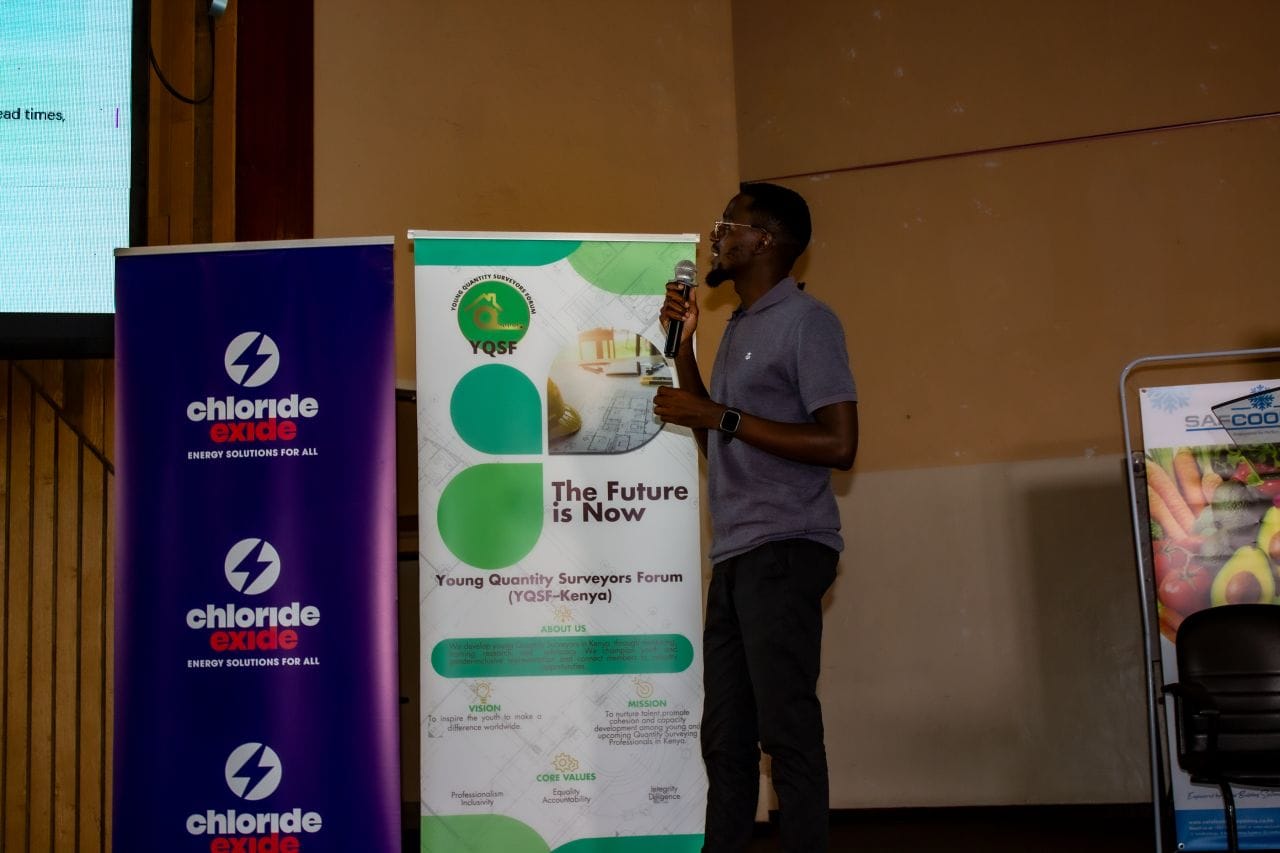
Session 2: Sustainability and Green Construction
Speaker: Mr. Paul Anyango
The second session focused on sustainability and the growing importance of environmentally responsible construction practices.
Sustainability was discussed as the ability to meet present needs without compromising the ability of future generations to meet their own.
The session emphasised the importance of considering the long-term environmental, social and economic implications of construction decisions. It also challenged built-environment professionals to look beyond immediate project outcomes and contribute to developments that support a more sustainable future.
For Quantity Surveyors, sustainability presents an opportunity to influence material selection, resource efficiency, cost planning and the overall value of construction projects.

Session 3: The Evolving Role of a Quantity Surveyor
Speaker: QS Immaculate Kaibere, MRICS
Traditionally, Quantity Surveyors have often been perceived as back-office professionals whose responsibilities primarily revolve around measurement, preparation of bills of quantities and cost management.
However, the profession is evolving.
This session explored the expanding role of Quantity Surveyors and the emerging opportunities available within the built environment. It highlighted the importance of professional versatility, strategic thinking and the ability to contribute to decision-making throughout the project lifecycle.
The discussion reinforced the need for Quantity Surveyors to position themselves as essential contributors to project planning, management, commercial strategy and the wider development process.
Session 4: Panel Discussion
Theme: Accountability in the Built Environment
The panel discussion brought together Frank Webaale, Immaculate Kaibere, MRICS, Patrick Ndirangu and Edwin Michira, moderated by Rosemary Macharia and Carlpeters Opul.
The conversation explored the responsibility of built-environment professionals in shaping a more accountable, efficient and sustainable construction industry.
Some of the key insights from the discussion included:
- Adaptability is essential: Professionals must embrace technology and continuously develop their skills to remain relevant in a changing industry.
- Human judgement remains valuable: While artificial intelligence can support professional work, critical thinking, experience and sound judgement remain essential. Quantity Surveyors must also learn to communicate confidently and make their professional voices heard.
- Sustainability goes beyond financial considerations: Construction decisions should account for environmental and social impacts alongside economic outcomes.
- The industry must move beyond site-based approaches: Adopting more industry-driven processes can improve accuracy, save time and promote greater standardisation in construction.
The panel reminded participants that accountability requires professionals to take ownership of their decisions and recognise the broader impact of their work.

Our Sponsors and Partners
The conference also provided an opportunity to engage with sponsors and partners who shared insights into the solutions and services they offer to the construction industry.
We were privileged to hear from:
- Liaison Group Ltd
- The Safal Group
- Chloride Exide Limited
Their participation demonstrated the importance of collaboration between professional bodies, industry practitioners and corporate partners in advancing the construction sector.
Appreciation
CRESA extends its sincere appreciation to the Young Quantity Surveyors Forum Kenya (YQSF) team, the Institute of Quantity Surveyors of Kenya, JSC, and all sponsors and partners for their dedication and contribution towards making the first day of the conference a success.
We also thank the speakers, panelists, moderators, facilitators and fellow participants for making the discussions insightful, engaging and impactful.
The first day of the YQSF 2026 Conference offered valuable lessons on the importance of embracing technology, championing sustainability, strengthening accountability and redefining the role of the Quantity Surveyor.
As aspiring professionals, these conversations remind us that the future of our profession will depend on our willingness to learn, adapt and contribute meaningfully to the built environment.
The future of Quantity Surveying is not something we simply wait for. It is something we must actively build.
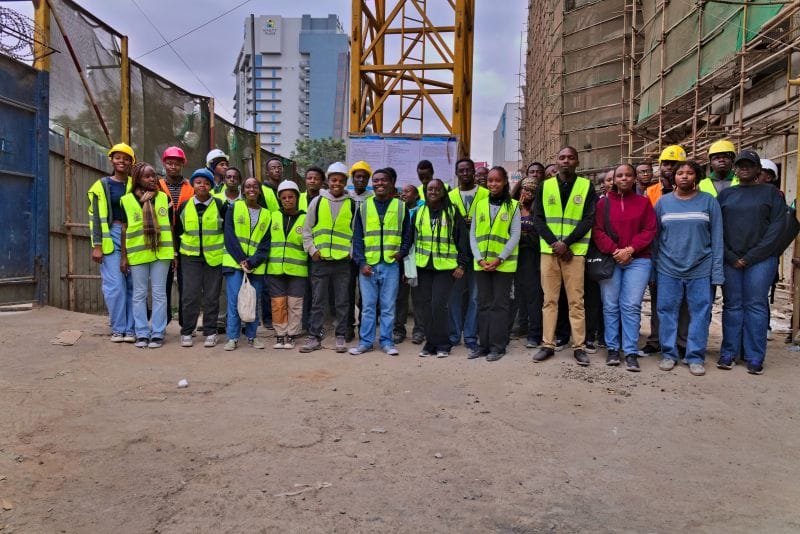
Exploring the Crown Jewel of Westlands
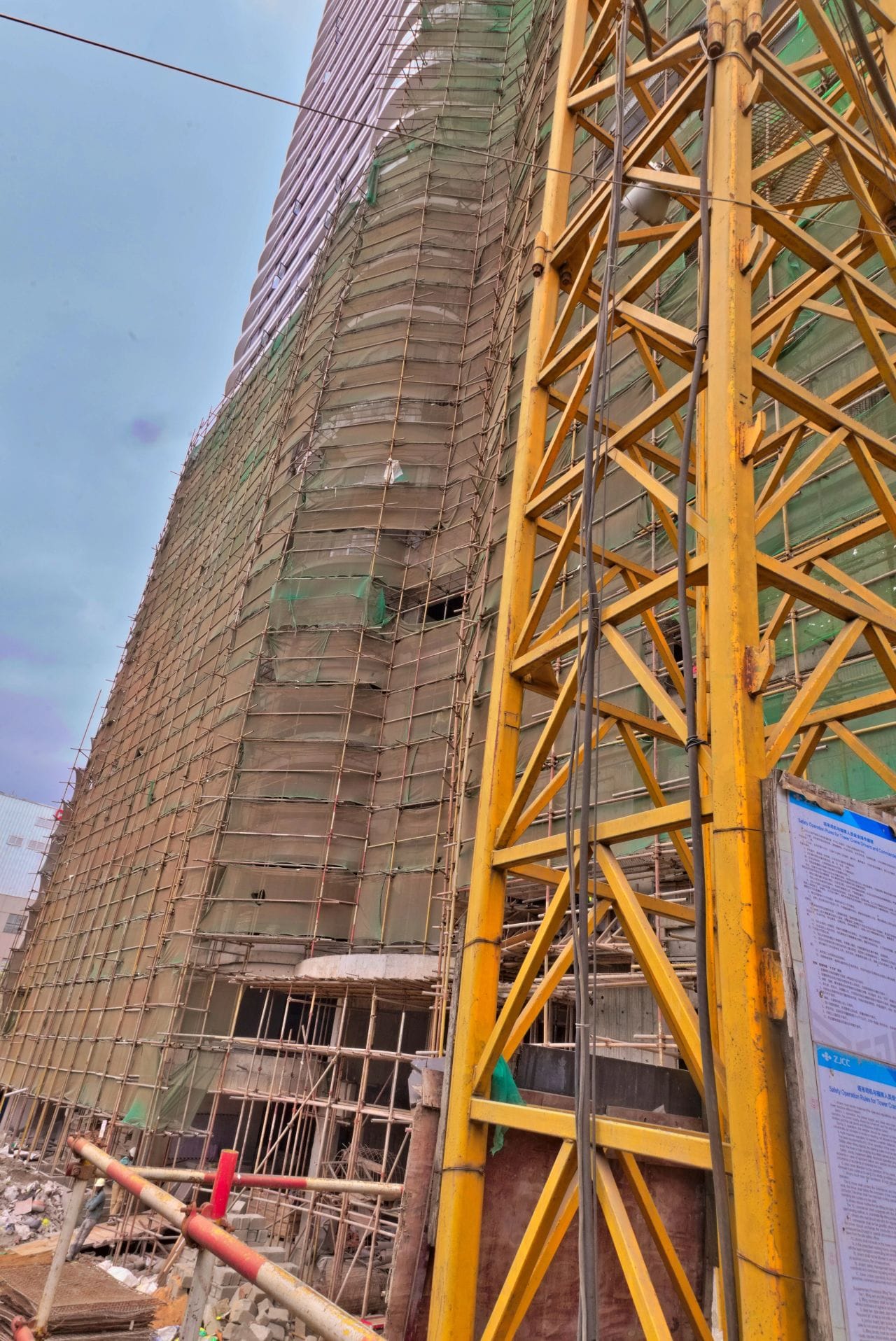
Last Wednesday, we had the opportunity to visit 1870 West, also known as the “Crown Jewel of Westlands.”The visit gave us an opportunity to explore this upcoming residential development and gain insights into the importance of quality in delivering developments that stand out, from the design and finishes to the overall experience of the final product.
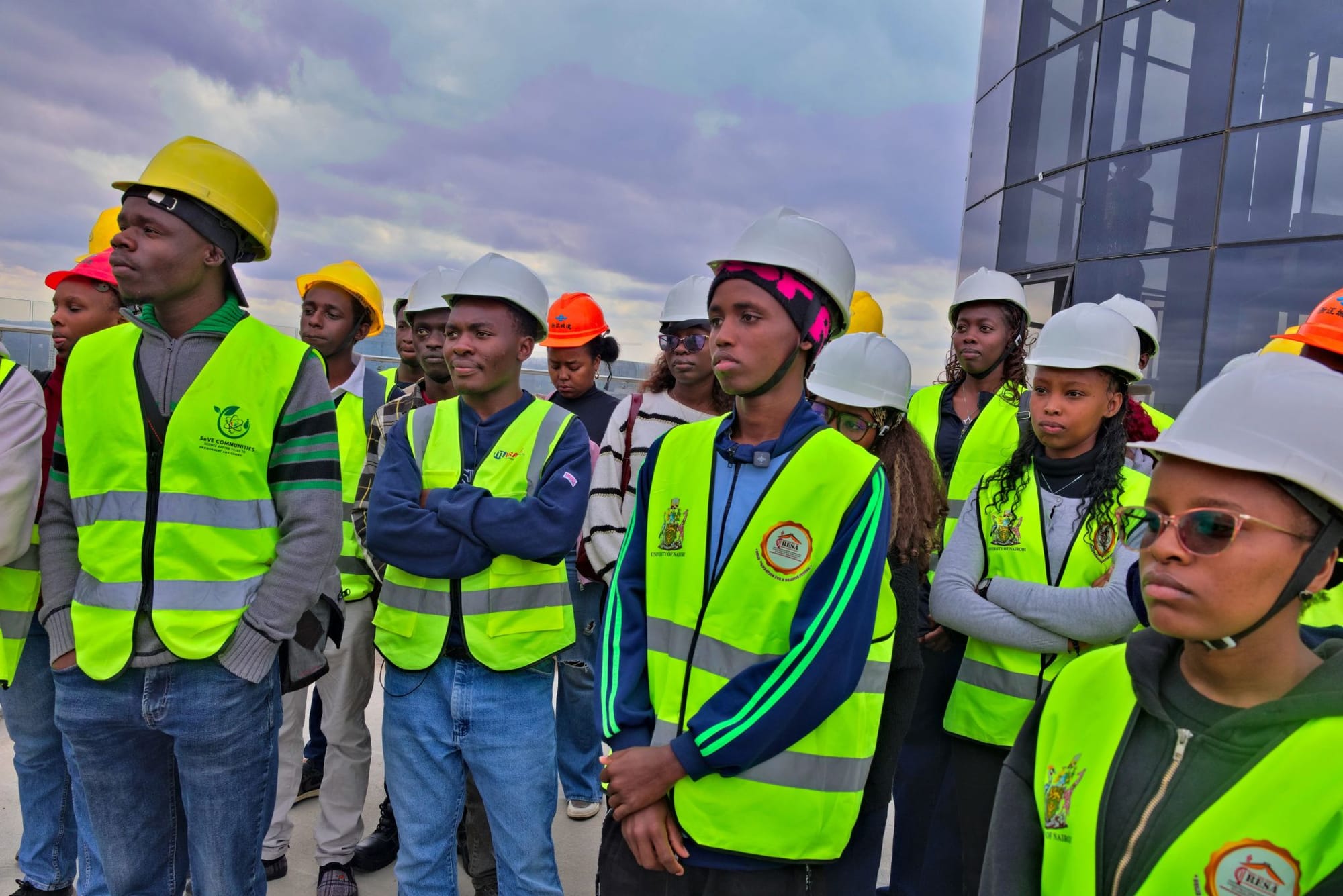
1870 West comprises 29 levels of luxury residences, offering a dynamic mix of 1, 2 and 3-bedroom apartments with modernised designs and thoughtfully planned living spaces.
One of the highlights was the 30th level, which serves as an entertainment hub featuring a collection of pools, lounges, work zones, fitness facilities and audiovisual spaces, creating an elevated living experience for residents.
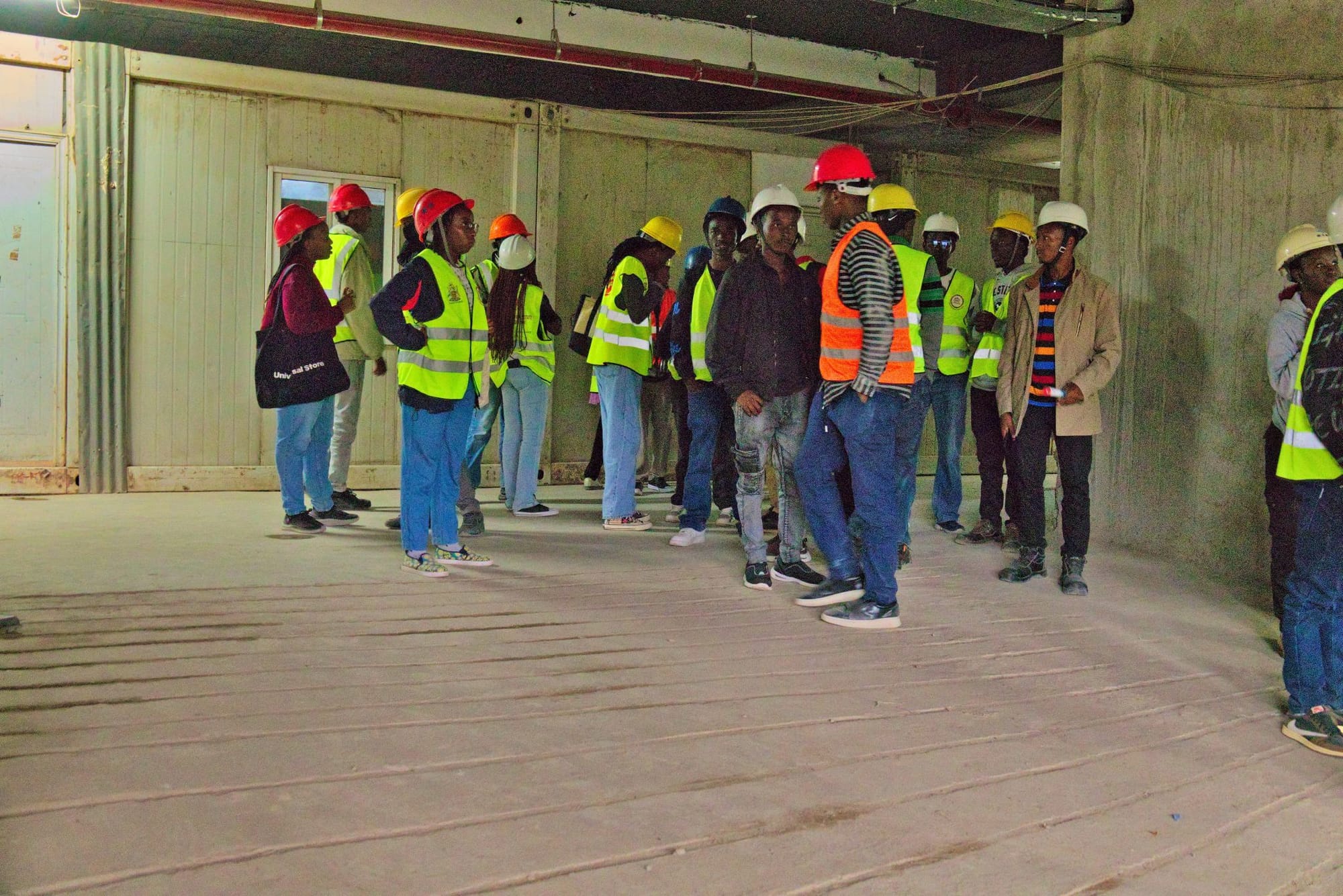
What stood out to us most was the attention to quality and the thoughtful integration of design, functionality and lifestyle into the development.
We sincerely appreciate Hass Consult for hosting us and giving us the opportunity to learn from their team and gain valuable insights into the development and delivery of high-quality residential projects.
ECO-CONCRETE SITE VISIT IN ISINYA
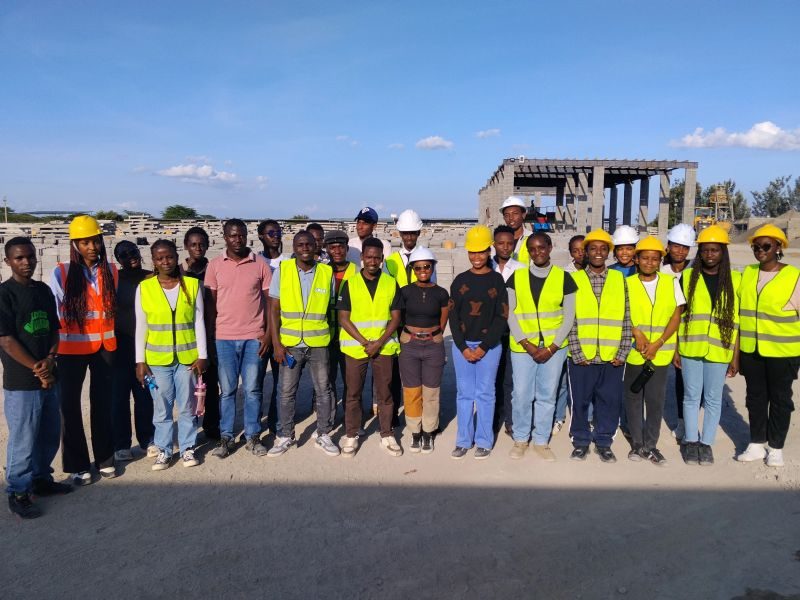
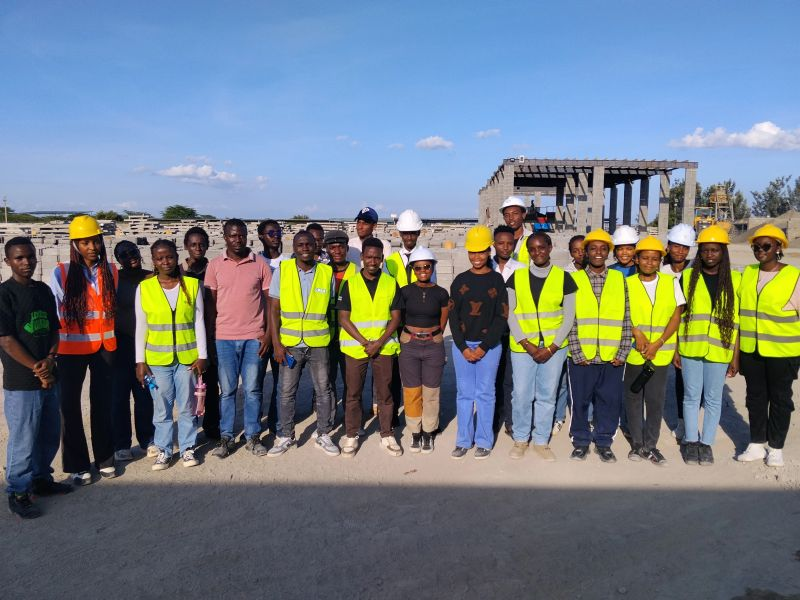
On Friday the 27th, CRESA had the opportunity to visit the EcoConcrete Kenya ltd. production yard in Isinya to gain practical insights into beam and block flooring systems.
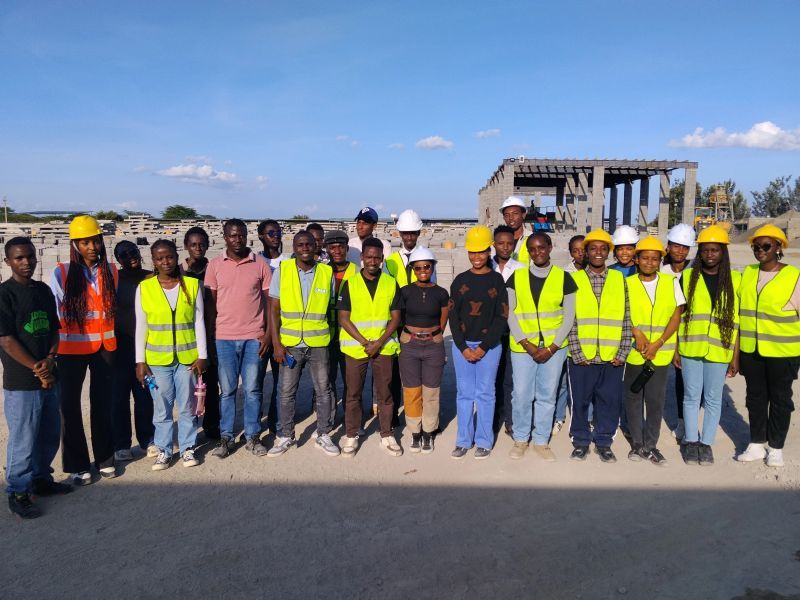
We were taken through the entire process by Eng. Simon Ogalo, who broke down each stage in a way that was clear and easy to grasp. He explained that achieving the required strength in the blocks involves the use of a Class 60 concrete mix, alongside prestressing steel with a strength of 1770 MPa. The hollow nature of the blocks is not only for reducing weight but also for enhancing sound insulation properties. A major highlight was the precision involved in controlled batching to consistently achieve the desired strength.
One key shift that stood out was the move toward fibre mesh. It serves as a simple yet effective alternative to traditional BRC mesh, offering comparable performance at a lower cost while efficiently controlling cracking. This is further enhanced by dividing slabs into 3m sections, as most cracks tend to occur at that spacing.
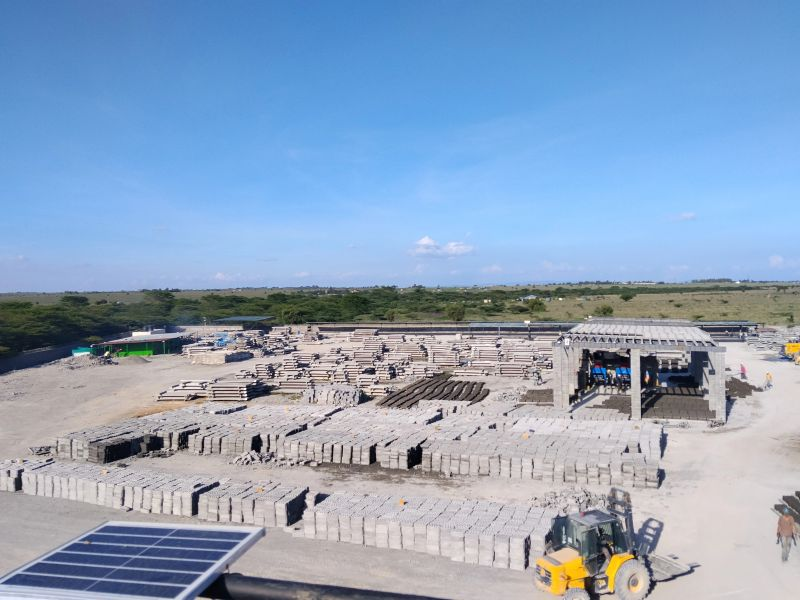
The hollow concrete blocks are efficiently produced using semi-automatic hydraulic machines, allowing for high daily output while maintaining consistency and quality.
We also gained a clearer understanding of prestressing versus post-tensioning. Prestressing involves tensioning the steel before the concrete is cast, enabling it to gain strength as the concrete cures. In contrast, post-tensioning is carried out in situ after the concrete has hardened by applying tension to embedded tendons.
A big thank you to EcoConcrete Kenya ltd. for hosting us, Eng. Simon for the insightful session and Arch.Shareen Shiraz Din for coordinating and ensuring the entire process ran smoothly.
Your academic resource hub.
Find past papers, lecture notes, e-books and tutorials organized around your course and year of study.
Our partners